If you have ever spent a Tuesday afternoon in a garage-area haul-out, you know the sound. It’s the high-pitched whine of air guns, the smell of burnt rubber clinging to the asphalt, and the collective exhaustion of a crew that just finished a 36-race season grind. When people tell me, "Oh, racing? That’s just sitting down, right?" I invite them to spend 15 to 45 minutes inside a stock car in the middle of a July race in Darlington. The ambient temperature hits 130 degrees, your heart rate sits steady at 160 beats per minute, and you’re pulling Gs that would snap a layman’s neck. We aren't sitting. We are managing a high-load, high-stakes athletic event that requires peak human performance.
Because the physical toll is so immense, drivers and crew members are constantly looking for legitimate recovery tools. Naturally, this leads them to the CBD aisle. But here is the reality check: if you are a professional driver or a licensed crew member subject to a **sanctioning body rules** handbook, the "I didn't know" excuse doesn't hold water when the test results come back positive. If you are dealing with a drug testing concern, you have to be smarter than the marketing on the back of a bottle.
The Physiology of the Grind: Why Drivers Need Recovery
In NASCAR, you’re dealing with localized heat stress and extreme dehydration. By the time the checkers fly, you’ve lost liters of fluid, your cognition is taxed by the heat, and your cardiovascular system is screaming. In F1 and IndyCar, the demands shift to neck load and sustained, crushing G-forces. A driver’s neck is essentially a specialized piece of infrastructure designed to keep their helmet from snapping their spine under 5G loads.
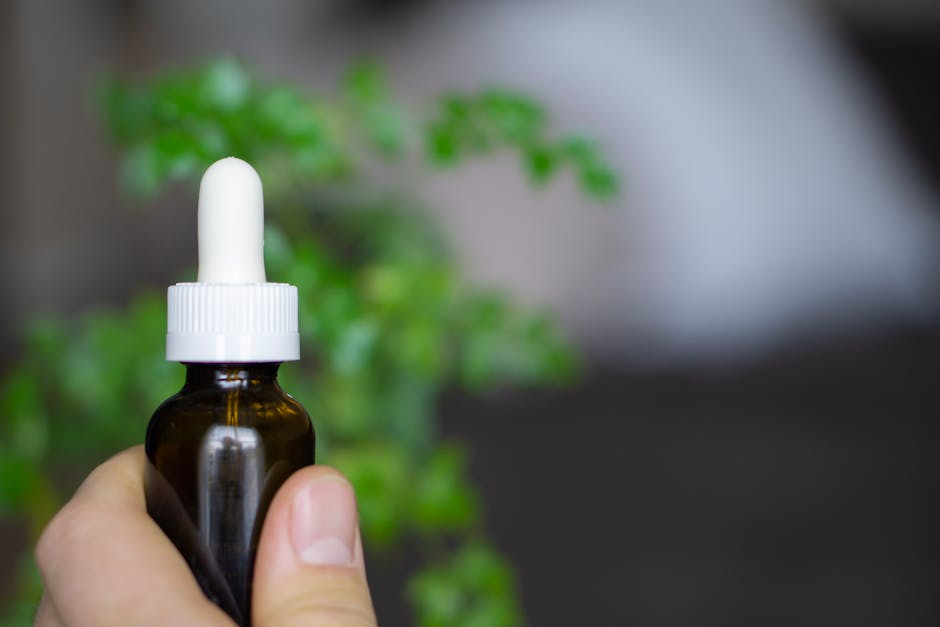
When you combine that physical trauma with the absolute insanity of a 36-race season—traveling across time Additional hints zones, sleeping in hotel beds that weren't designed for a 6'2" athlete, and managing jet lag—recovery isn't just "wellness." It’s job security.
However, when guys in the garage start looking for relief, they often fall for the "miracle cure" trap. Let me be clear: there is no magic recovery potion. If a bottle promises you'll be ready for Monday morning testing after a "detox," throw it in the trash. There is no such thing as a "detox." Your liver and kidneys are doing that work for you. If you’re looking to mitigate inflammation or manage the post-race adrenaline spike, you need to rely on science, not hand-wavy marketing.
The Trap: Why "Full-Spectrum" Can End Your Career
This is where the **drug testing concern** becomes a career-ending nightmare. Many CBD products are marketed as "full-spectrum." That sounds fancy, but in practice, it often means the product contains trace amounts of THC. Even at low levels, if you use these products consistently, those metabolites can stack up in your system.
If you are subject to the standards set by the World Anti-Doping Agency (WADA) or specific sanctioning body protocols, you cannot afford to have a "trace" amount of anything in your system that hasn't been explicitly cleared. I’ve seen enough lab reports to know that companies are often sloppy with their extraction processes. If they aren't using a verified **third-party lab testing** protocol, you are effectively playing Russian roulette with your career.
The Only Tool That Matters: The Certificate of Analysis (COA)
If a brand does not provide a Certificate of Analysis (COA) for the exact batch you are holding, do not buy it. It is that simple. A COA is a document provided by an accredited laboratory that details the cannabinoid profile of the product. If a company can’t produce a COA for the specific batch number on your bottle, stop asking questions and stop using the product.
I’ve seen a dozen "wellness" companies pop up in the paddock over the last few years. Half of them couldn't provide a COA if their lives depended on it. When looking for a THC free CBD option, you need to see proof that the THC content is non-detectable at the lowest possible limit of quantification.
Brands like Joy Organics have set a standard by publishing their COAs clearly. When you see a company that proactively puts their third-party results front and center, they aren't hiding anything. That transparency is the baseline requirement for anyone who works in a field where a random urinalysis can end a championship run.
What to look for in a COA:
- Batch Number Matching: Does the number on the bottle match the number on the report? Testing Date: Was this tested in the last six months? If it’s from 2021, it’s useless. Cannabinoid Profile: Look for "ND" (Not Detected) in the THC columns. Contaminant Screening: Does it test for heavy metals, pesticides, and residual solvents?
Clinical Context: What The Permanente Journal Says
It’s important to stay grounded in evidence. Research published in The Permanente Journal has highlighted that while cannabidiol has potential for anxiety and sleep quality—two things every racer struggles with—the regulatory landscape is still the "Wild West." The journal emphasizes that because the market is under-regulated, the consumer must be the primary gatekeeper of quality. As a strength coach who’s had to report on the efficacy of supplements for years, my stance remains: if you aren't sure, you don't use it. The risk-to-reward ratio for a competitive athlete using an unverified product is heavily skewed toward a total catastrophe.
Establishing a Strategy for Wellness
If you are a driver or crew member, here is your playbook for staying clean and staying recovered during the season:
Protocol Action Item Why? Sourcing Stick to ISO-accredited brands Prevents accidental ingestion of banned substances. Verification Cross-reference the COA Ensures your THC free CBD is actually THC free. Documentation Keep a log of all supplements In the event of a test, you have a paper trail. Communication Clear usage with your team doctor Transparency is your best defense.Think about the logistics of your week. You’re coming off a race on a Sunday night, maybe arriving home at 3:00 AM on Monday. You’re sore, your central nervous system is fried from the noise and the intensity, and you have to fly out to the next track on Thursday. You need real, evidence-based recovery, not pseudoscience.
Many drivers reach for high-quality, isolate-based CBD to help with that post-race wind-down. It’s an effective tool for sleep hygiene and managing that "wired but tired" feeling. But if you pick the wrong one because you didn't check the label or you ignored the lack of a third-party report, the drug testing concern you brush off today will be the reason you’re watching the next race from the grandstands instead of the pit box.
Final Thoughts: Don't Compromise Your Grind
I spent 11 years in the garage area. I’ve seen guys lose everything because they were careless with a supplement stack. The life of a motorsports professional is defined by precision—every millimeter of toe-in, every fraction of a pound of tire pressure. Why would you treat your own biology with any less care?
Avoid the miracle-cure marketing. Ignore the influencers who can’t explain the difference between a COA and a marketing brochure. Demand data, demand third-party lab testing, and ensure that every supplement you put in your body is exactly what the label claims. Your career is built on the foundation of your performance; don't let an unverified, trace-THC product be the thing that causes it to crumble.
Stay smart, verify the lab results, and keep your head in the game. That’s how you stay on the track for the long haul.
A Note on Responsibility
Always verify the current prohibited substances list provided by your specific sanctioning body. Even "THC free" labels can be misapplied by bottom-tier manufacturers. If you are subject to regular, high-stakes testing, you are the final auditor of your own health. Own that responsibility, and you’ll save yourself a lot of headaches come testing day.
