If you have watched a high-profile cricket match or a Premier League game lately, you’ve heard the commentators. They mention "workload management" or "physical strain" like it’s a secret code that only the backroom staff understands. For the average fan, it sounds like jargon meant to fill dead air during a drinks break or a VAR check.
But for those of us drafting teams, this isn't just filler. It is the most ignored metric in your lineup construction. After four years of picking the brains of physios and team analysts, I’ve learned that physical strain isn't just about whether a player is "fit." It’s about whether their performance ceiling is suppressed by the accumulated fatigue of their schedule.
If you aren't accounting for this, you’re drafting blind.
What is Physical Strain Monitoring?
At its core, physical strain monitoring is the quantification of how much a player's body has been taxed over a specific period. It is not just about the match itself; it’s about the cumulative impact of training intensity, travel distance, and sleep deprivation.
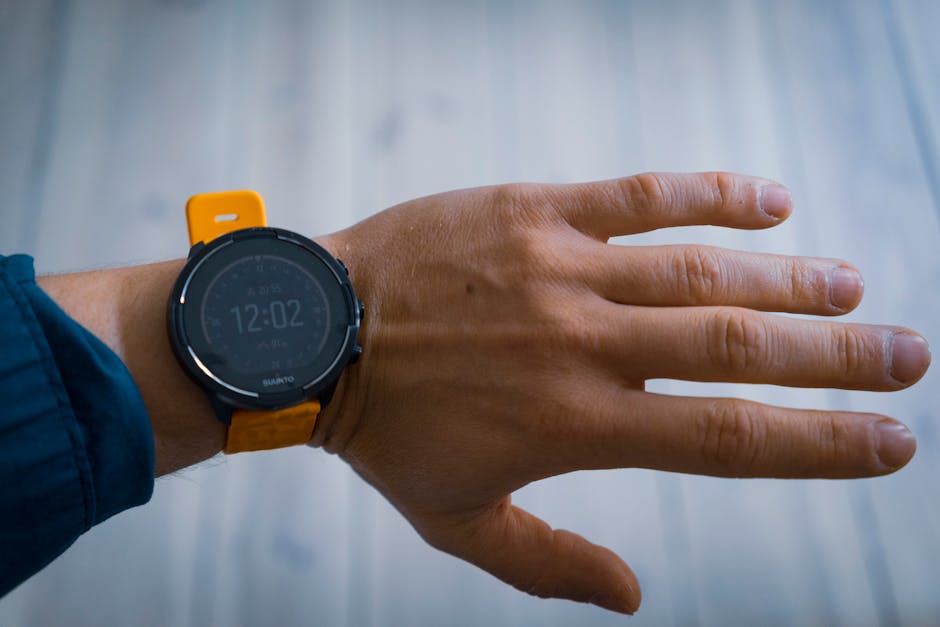
Teams use GPS trackers, heart-rate variability (HRV) sensors, and subjective wellness questionnaires to measure this. When a commentator says, "He’s on a managed workload," they are telling you that the athlete’s data suggests they are nearing an "injury red zone."

Why Broadcasts Mention It (But Don't Explain It)
Broadcasters are fed notes by team media liaisons. They mention these terms to sound informed, but they rarely explain the mechanics because they don't want to admit how little they actually know. They focus on the *result*—the injury—rather than the *process* of how a team prevents it.
My running note on "stuff broadcasts mention but nobody explains" is currently full of entries like these:
- Acute-to-Chronic Workload Ratio (ACWR): It’s just the ratio of what a player has done this week compared to what they have done over the last month. If it spikes too high, the injury risk skyrockets. Recovery Windows: The time required for glycogen replenishment and muscle tissue repair. If a player is on a 48-hour turnaround, they aren't "recovering"; they are "surviving." Mechanical Load: Not just running distance, but the number of high-intensity sprints, changes of direction, and jumps. In cricket, this includes the number of deliveries bowled; in football, it includes accelerations.
What Changes for My Lineup Today?
This is the sanity check. Every piece of tech, every app, and every livestream report possible11.com is useless if it doesn't lead to a tangible change in your strategy. When you see a player's name trending because of "strain" or "niggles," here is how you adjust your lineup:
Identify the "Red Flag" Schedule: If a team has played three games in seven days, the players who have logged the most minutes are high-risk. Don't captain them. They might play, but they won't have their usual "pop" in the final minutes. Ignore the "Injury-Free" PR: If a team says a player is "available," that doesn't mean they are at 100% capacity. It means they aren't clinically injured. There is a massive gap between "medically cleared" and "peak performance." Look for Rotation Patterns: Use data platforms like Possible11 to cross-reference projected lineups with recent travel schedules. If a player looks tired and they are playing a "less important" match, they are prime candidates for a bench role.The Role of Sports Tech and Wearables
Modern sports tech has made this information visible, even if the teams try to keep it guarded. We have moved past the era where we only guess based on how a player looks during a pre-match livestream. Now, we have tools to assist in the analysis.
Apps and Platforms to Watch
The landscape of performance tracking is changing. Tools like Releaf and NICE (in their respective analytical capacities) are providing the kind of insights that were once reserved for front-office staff. While these companies often focus on the professional side, the trickle-down effect for fantasy managers is undeniable.
Releaf focuses on recovery metrics, which are the backbone of wellness-aware decision-making. If you understand how athletes manage their sleep and inflammation, you start to see why players from certain regions or specific training cultures handle high-frequency schedules better than others.
NICE and similar performance analytics platforms allow us to look at efficiency trends. When an athlete’s mechanical load increases but their output (speed, accuracy, distance covered) decreases, that is a warning sign that the "physical strain" is manifesting as poor performance.
Table: The "Fatigue Factor" Checklist
Factor Indicator Fantasy Impact Travel Load Long-haul flight/Multiple time zones Decreased reaction time (Lower points potential) Match Density < 72 hours between fixtures High rotation risk / Early substitution Training Load High-intensity drills in pre-match livestream Increased risk of "in-game" minor tweaks Sleep Consistency Late-night arrival after away fixture Reduced decision-making speedBeware the "Fake Certainty" Trap
I have moderated enough fantasy Telegram groups to see the same mistake every season: users treating sports science like a shortcut. Someone posts a graph, someone else cites a "medical report," and suddenly everyone thinks they know exactly who will get injured.
Stop. There is no shortcut. You cannot predict an injury with certainty. If anyone tells you a player is "guaranteed to pull a hammy," they are selling you a fantasy, not a tip. Physical strain monitoring is about *managing probability*, not predicting outcomes.
I despise the way people use "medical advice" as a buzzword to justify their own biases. If you decide to drop a player, do it because their recent workload data suggests they are tired, not because you think you have a crystal ball. Never let "optimization" talk replace your gut feeling about a player’s actual talent level.
Applying Wellness-Aware Strategy
To succeed in fantasy, you need to transition from a "stat-chaser" to a "process-observer."
1. Respect the Travel
In cricket, long-haul travel between match venues is a silent killer. Players lose sleep, hydration levels drop, and the humidity changes. When a team arrives at a new city late, expect the batters to be slightly slower on their feet and bowlers to lose that extra yard of pace. Do not draft based on the "average" performance of that player; draft based on their "last 48 hours" context.
2. Look Beyond the First Team
This is where Possible11 becomes indispensable. When you identify a team that is clearly overstretched due to a heavy schedule, look at their bench. Managers will often rotate players who are showing signs of high physical strain. The smart fantasy player isn't the one who picks the tired superstar; it’s the one who identifies the fresh substitute who is about to get more minutes than expected.
3. Use Livestreams Wisely
When watching pre-match training livestreams, don't look for the big hits or the fancy goals. Look for the body language of the veterans. Are they doing the full workload? Are they avoiding certain types of stretches? Physios often watch how a player warms up to gauge their "readiness." If you watch carefully, you can spot the ones who are moving gingerly long before the official team news drops.
Conclusion: The Smart Manager’s Edge
Physical strain monitoring is the final frontier for fantasy sports. It separates the casual player who just looks at the previous match's points from the pro who looks at the *context* that generated those points.
Don't be the person who gets blindsided by a late benching. Pay attention to the travel, respect the recovery windows, and look at the workload data. The information is out there—sometimes mentioned by a commentator, sometimes tucked away in an app, and sometimes hidden in the way a player moves during a warm-up. Filter out the noise, ignore the corporate buzzwords, and start building your lineups with a clearer picture of the reality these athletes face.
Your team is only as good as the physical state of the players you select. Keep it simple, stay skeptical, and keep your lineups fresh.