It is Monday morning. I am sitting at my desk, trying to find a comfortable angle for my knees. Every time I stand up to grab a coffee, my hip clicks like a rusted gate. I played on Saturday. We drew 1-1 in a game where the pitch was essentially painted dirt. My shins are screaming, and my boss is asking why I’m walking like a man twice my age. This is the reality of the lower leagues.
People love to talk about "toughness" in Scottish football. It’s a convenient narrative. They praise the https://www.pieandbovril.com/general/the-physical-reality-of-scottish-football-what-happens-after-the-final-whistle grit of a centre-back who plays through a grade-two hamstring tear. But while the pundits celebrate that "hard man" mentality, they rarely mention what happens ten years later. They don’t see the guy at the office on Monday morning. They don’t see the cumulative strain.
For more insights on the state of the game, check out our general category covering everything from league structure to fan culture.
The Premiership Bubble vs. The Reality of the Rest
There is a massive chasm in chronic pain management between the Scottish Premiership and the bottom three tiers. If you’re at Celtic or Rangers, you have a performance scientist monitoring your heart rate variability before you’ve even had your breakfast. You have access to cryotherapy, contrast baths, and a physio team that knows your muscle fibers better than you know your own family.
In the lower leagues? You have a bucket of ice if you’re lucky. Or, more likely, you have a bag of frozen peas you bought from the local 24-hour shop on the way home from the match.

The Part-Time Constraints
Full-time vs part-time is not just a difference in training hours. It is a difference in recovery. When you work a forty-hour week in an office or on a building site, "recovery routines" are a luxury you don't have. You are already putting your body through a different kind of strain before you even step onto the training pitch on a Tuesday night.
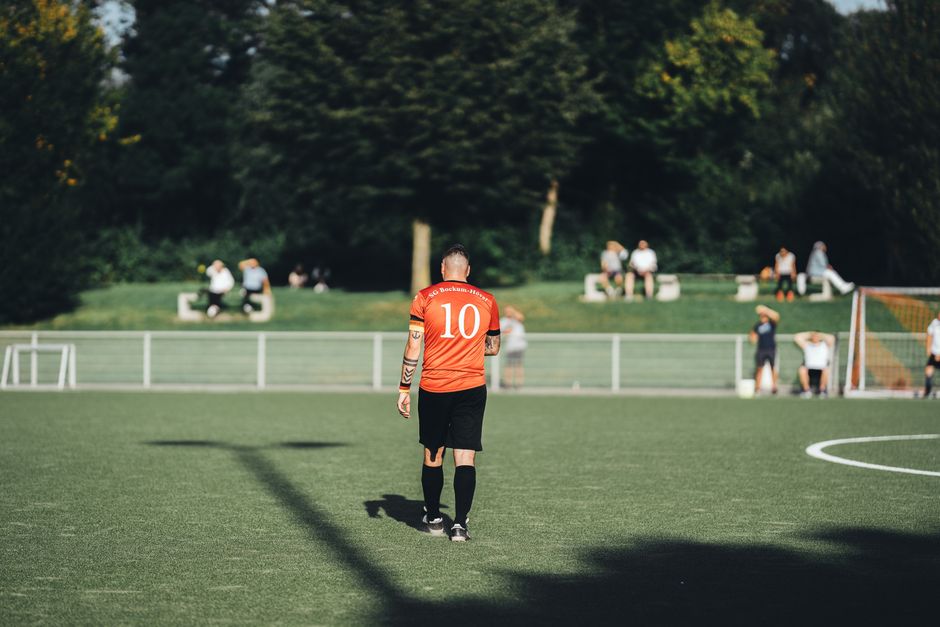
The gap is not just about money. It is about access to expertise. A part-time player is usually managing their own load. If I feel a twinge in my quad during a Tuesday session, I have to make a decision: do I report it and risk losing my spot, or do I hide it and hope it holds up for Saturday? There is no recovery plan. There is only the "hope" plan.
The Surfaces That Break You
We need to talk about the pitches. In the lower leagues, we play on surfaces that seem designed to shatter ankles. It’s hard, uneven, and unforgiving. When you combine those surfaces with the sheer physical duels that define Scottish football, the toll on the joints is immense.
The sports science resources available to top-tier clubs allow them to mitigate these risks. They can tailor training loads to the surface density. They can track the impact of the ground on a player’s lower body. Down in the trenches, we just tape it up and get on with it. It’s not heroic. It’s just stupid. The long-term health implications of playing on frozen or rock-hard pitches in non-league environments are ignored because it doesn't fit the "gritty Scottish football" brand.
Comparison of Recovery Support
Feature Premiership Standards Lower League Standards Medical Staff Full-time Physios & Doctors Part-time Physio (if present) Monitoring GPS & Heart Rate Tracking Self-assessment Facilities Cryo/Hydrotherapy/Pools Hot shower (usually) Work-Life Balance Football is the job Football is the "second" jobCumulative Strain: The Invisible Debt
I’ve spent nine years playing while working a day job. Every year, the "debt" on my body grows. It’s not just the big injuries that get you. It’s the micro-trauma. It’s the repetitive impact on hard ground, the lack of proper hydration between shifts, and the inability to sleep properly after a night game because your adrenaline is spiked and you have to be up for work at 6:00 AM.
When someone tells me to "toughen up" and play through the pain, I want to show them my knees on a Monday morning. That advice is hollow. It ignores the reality that these players are not professional athletes in the sense that their primary occupation is their health. They are employees who happen to play football.
Why the "Toughness" Narrative Fails
The obsession with toughness is actually a failure of imagination. True toughness is recognizing when to stop. It’s about longevity. When a manager praises a player for playing through injury, he is essentially praising a lack of foresight.
We need to stop pretending that part-time football can replicate the recovery protocols of a Champions League side. We need to be realistic about the limitations. If we don’t, we’re just churning through players, discarding them when they’re 28 because their knees are gone, and pretending it’s all part of the "Scottish spirit."
Reflections for the Future
We need to prioritize education for part-time players on injury prevention. Physio access should be subsidized for lower-league clubs. Surface maintenance must be held to higher standards to protect player health. The culture of "playing through pain" must be replaced with a culture of "playing smart."Next time you see a highlight from a lower-league match, look past the goal. Look at the way the players move when they have to track back. Look at the grimace after a slide tackle on a concrete-hard pitch. Remember that for the majority of these guys, the real match starts on Monday morning, when they have to walk into their real job while their body is still trying to figure out why it was put through the ringer on a Saturday afternoon.
Recovery isn't just for the elite. It’s a human right for anyone expected to perform at a high level. Until we treat it as such, we’re just asking for broken bodies in the name of a narrative that doesn't care if we can walk when we're forty.