The alarm on my nightstand is set for 3:30am. If you’re a serious bowhunter, you know that time well—it’s that dark, quiet hour when the decision to crawl out of the sleeping bag or hit snooze determines your success for the day. Having spent 12 years writing about this lifestyle and pulling shifts as a wildland EMT, I’ve seen enough "pro-tips" to know that most of them are marketing fluff designed to sell you gear you don't need. When you’re miles from the truck, real recovery isn't about expensive compression boots or gadgets; it’s about managing the biological reality of sustained athletic output.
Bowhunting is not a sport of weekend warriors. It is a grueling, multi-day endurance event. Whether you’re chasing elk in the high country or tracking a mature whitetail through thick timber, you are placing your body under immense physical load. If you aren't recovering in minutes, not hours, you’re losing. Let’s cut the gym-bro technical jargon and talk about how to get your legs ready for that 4am hike.
1. The Electrolyte Truth: Cold Weather Doesn't Mean You Stop
One of the biggest mistakes I see guys make—and it drives me crazy—is thinking they don't need electrolytes because it’s 35 degrees out. You aren't sweating as much, right? Wrong. You’re losing moisture through your breath, and your muscles are working double-time to stay warm. If you skip your electrolyte packets in the cold, you’re inviting cramping and early fatigue.
Think of your hydration as a fuel line. When that line runs dry, your body starts pulling from the reserve tank—your muscle tissue. I keep a stash of packets in my pack at all times. If you want to be functional nabowhunter for the next day, you need to hydrate properly starting the moment you drop your pack, not waiting until you get back to camp.
2. Protein is Your Immediate Post-Hike Priority
I don't care how tired you are; if you want to wake up feeling human, you have to ingest 20 to 40 grams of high-quality protein within that narrow 30-to-60-minute window after you hit camp. This isn't just "gym talk"; it’s basic physiology. You’ve been putting your muscles through a shredder. Without the amino acids to start the repair process immediately, you’re just digging a deeper hole for the next morning.
The folks over at North American Bow Hunter often emphasize that the hunt doesn't end when the sun goes down—that’s when the tactical preparation for tomorrow begins. Protein is the brick and mortar for your worn-down muscles. Get it in, get it down, and stop overthinking the source.
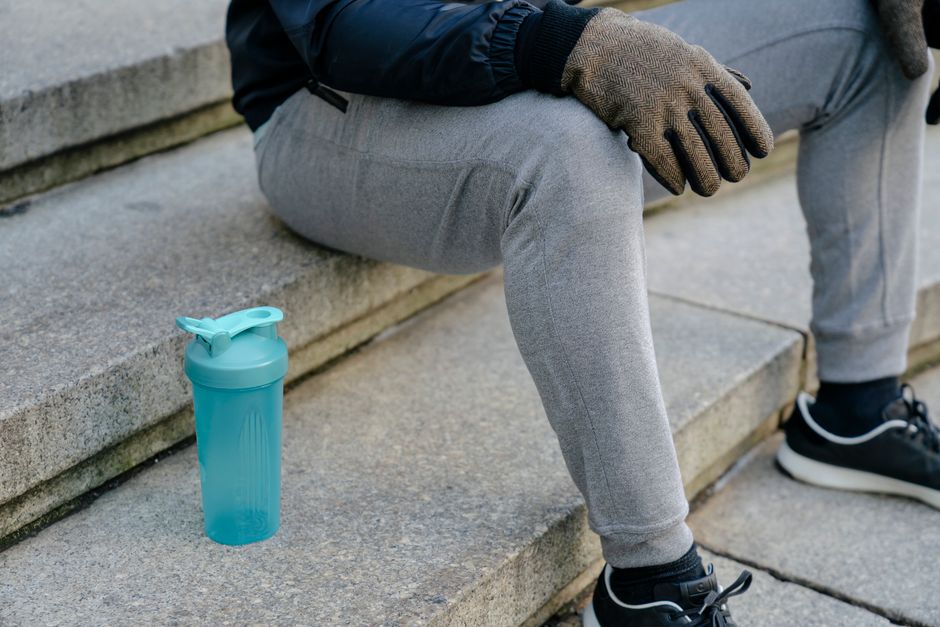
3. Managing Inflammation: The Reality of Cold Water Immersion
If you're near a stream and the water is freezing, that is your best friend. Cold water immersion is one of the oldest, most effective ways to blunt the inflammatory response. Even if it’s just a 10-minute soak for your legs, the vasoconstriction helps pull the fluid out of swollen tissues and calms the nervous system.

I’ve looked into the research, specifically what’s been published in The Permanente Journal regarding recovery protocols. The consensus is clear: while it won't replace a full night of sleep, cold exposure serves as a powerful acute tool to reset your system. It forces your heart rate to normalize and gives your legs that "reset" feeling that makes that 3:30am wake-up call feel slightly less like a punishment.
4. Sleep Quality: The Foundation of Every Hunt
You can be the fittest guy in the woods, but if you don't sleep, you don't recover. We treat sleep like a luxury, but in the field, it is your most important piece of gear. My recovery routine is anchored on my nightstand. Literally. I keep my supplements right there next to my headlamp so I never have an excuse to skip them. I need my system to wind down from the adrenaline of the day so I can actually hit REM cycles.
I’ve started using Joy Organics organic CBD gummies as part of that nightly wind-down. It’s not about getting a "high"; it’s about providing that little nudge to your nervous system to switch from "predator/prey" mode to "repair" mode. When the camp is quiet and the temperature is dropping, being able to slide into a deep sleep is the difference between a successful stalk the next morning and a shaky, tired mess.
The Recovery Toolkit
Strategy Why It Works Timing Electrolytes Maintains nerve signal efficiency Throughout the day, especially in cold 20-40g Protein Triggers muscle protein synthesis Within 60 mins of finishing the hike Cold Water Immersion Reduces acute inflammation Immediately after returning to camp CBD Gummies Promotes nervous system recovery 30 mins before lights outWhy "Instant Results" Marketing is Killing Your Hunt
I see ads every day for "miracle" recovery drinks or pills that promise you'll feel like a new man after a 10-mile pack-out. It’s garbage. Real recovery is boring, consistent, and requires discipline. If you’re looking for a shortcut that involves a magic pill, stop wasting your money and start focusing on your basic needs. Recovery is counted in minutes—every minute you spend neglecting your hydration or protein intake is a minute you aren't going to have when you're staring down a bull in the brush.
If you aren't sleeping well, your hormones aren't balancing, your cortisol stays high, and your muscles don't knit back together. That is why I am so adamant about the nightstand routine. By the time I hit my sleeping bag at 9pm, I’ve already done my cold soak, I’ve downed my protein, and I’ve taken my Joy Organics gummies. By the time that 3:30am alarm goes off, I’m not waking up from a dead sleep—I’m waking up ready to move.
Practical Tips for Tomorrow Morning
Prep your electrolytes the night before: Don't fumble with powder packets at 3:30am. Pre-mix them in your Nalgene. The 4am stretch: Before you even put your boots on, spend 90 seconds stretching your hip flexors and calves. It’s not a full yoga session, but it warms the joints. Don't skip the small stuff: If your feet are cold, your body is burning energy to warm them. Wear dry socks to sleep. Period. Keep the Joy Organics accessible: Keep them right next to your sleep system. If you wake up in the middle of the night, keep the lights low and get right back down.The mountain doesn't care how you feel. It doesn't care if your quads are burning or if you didn't sleep well. It is an indifferent, rugged environment that rewards the prepared. If you want to be successful, treat your body with the same level of care you treat your rifle or your bow. Clean it, maintain it, and give it the fuel it needs to perform under stress. Now, get some sleep—we’ve got a long way to go before the sun comes up.