Stop me if you’ve heard this one: "UK basketball is just a budding cousin of the NBA, waiting for its growth spurt." It’s a lazy, tired narrative pushed by people who VR basketball future have spent their lives watching highlight reels on X (formerly Twitter) rather than spending a Tuesday night in a humid leisure centre in Leicester or Manchester. I’ve spent 12 years around SBL and NBL gyms, both as a guard trying to avoid an ACL tear and as a content creator trying to make local ball look as electric as it actually is. Let’s kill the myths right now: UK basketball isn't "catching up" to the US. It’s fundamentally different because the ecosystem is built on a different set of social gravity.
In the US, basketball is the default. It’s the air they breathe. In the UK, it’s a choice. It’s a subculture that has to carve out space between football and the pub. That makes the culture tighter, weirder, and far more honest than the manufactured spectacle you see in the States.
The Myth of "US-Lite"
I get annoyed when I hear commentators suggest we need to copy the NBA’s production value to "save" the sport here. It’s an overstated tech promise. Buying expensive LED lights and fancy floor projectors doesn't make a game matter more; the community does. The cultural difference starts with the accessibility of the game. In the US, the pathway is rigid: AAU, high school, college, pro. In the UK, you’re just as likely to see a 40-year-old local legend with a bad knee playing pick-up alongside an 18-year-old hopeful. The community isn't stratified by status; it’s held together by the difficulty of finding a decent, dry court that isn't booked for badminton at 7 PM.
When you look at UK basketball, you aren't looking at a minor league. You’re looking at a patchwork of local clubs that serve as legitimate community hubs. Whether it's the NBL or the regional leagues, the engagement isn't about massive TV contracts; it’s about the fact that your teammate is also the guy who serves you coffee or works in the local council.
Beyond the Court: The Post-Game Reality
One thing I’ve noticed after 12 years of grinding: the most revealing moments happen the second the final whistle blows. In the US, the "show" continues—the post-game presser, the corporate-sponsored fan zone, the drive home listening to sports radio dissecting every turnover. In the UK, it’s more grounded.
I keep a running note of the weird fan rituals I’ve seen across the country. There’s the group in London who always spend exactly ten minutes standing in the car park debating the officiating before they even think about starting their engines. There’s the ritual of the "post-game cooldown" where players and fans alike migrate to the same local chippy. It’s not corporate engagement; it’s life.
The off-court downtime is where the culture breathes. While Americans are often obsessing over the next "big thing" in the draft, UK fans are invested in the human element. We talk about the game, but we also talk about the absolute state of the shower facilities at the away venue or the tactical stubbornness of a coach who hasn't changed his rotation since 2014. It’s visceral.
Tech, Stats, and Digital Engagement
There is a lot of noise about "digital transformation" in sports. We’re told that fancy apps and complex live stats are the key to the future. Don’t get me wrong, I love a good box score—tracking my own efficiency rating was a daily habit during my playing days—but the constant push for "always-on" engagement is often just a way to sell ads.
When you look at how we consume the game, it’s fragmented and authentic:

- Social media: It’s the lifeline for NBL clubs. A well-edited highlight clip on Instagram does more for a club's local standing than any corporate strategy. Live stats: Essential for the nerds (like me), but they haven't replaced the "eye test" of sitting in the bleachers. Streaming: While the BBC has stepped up their coverage, the real heart of UK streaming is found in the grainy, passionate indie broadcasts on YouTube that capture the raw noise of the gym.
There is a growing intersection between basketball and interactive entertainment. Platforms like MRQ (mrq.com) have started to understand that modern fans want a gaming experience that isn't just about watching a screen—it’s about having a side-hobby that fits the pace of the UK lifestyle. It’s about keeping the brain sharp while waiting for the next tip-off. It isn't moral panic, and it isn't "gambling culture" poisoning the well; it’s the reality of how fans manage downtime in a digital-first world.
Comparing the Landscapes: A Rough Guide
If you want to understand the divide, look at how the institutions handle the fan. The US is built on maximum volume. The UK is built on a specific, local frequency.
Feature US Basketball Culture UK Basketball Culture Fan Motivation Affiliation with massive brands Personal ties to the club/community Tech Reliance High; heavily monetized apps Moderate; social-led and DIY Post-Game Corporate media cycle Pub, takeaway, and debate Information Sources Mainstream national outlets Eurobasket, local blogs, XThe "Lifestyle" Beyond the Court
Basketball in the UK is a lifestyle, but not in the "I wear Jordans to the shops" way. It’s about the recovery process. Playing at the semi-pro level in the UK means you are often working a full-time job during the day. You show up to practice at 8 PM after eight hours of sitting at a desk or standing on a site. The mental recovery—that space between the work grind and the game—is where the real magic happens.
We use music, gaming, and digital interaction to decompress. When I see people panicking about "digital entertainment" taking away from "real" sport, I roll my eyes. If a fan wants to engage with an app or play a few spins on mrq.com while they analyze the scouting report for the next match, that is their business. It’s part of the modern fan's toolkit for switching off before the next high-stress game day.
Why We Need to Stop Comparing
The most irritating trend I’ve seen in 12 years of covering the game is the insistence that UK basketball needs an "American-style" identity to be valid. Why? Because the US system is broken in its own way—over-commercialized, exhausting, and detached from the average fan.
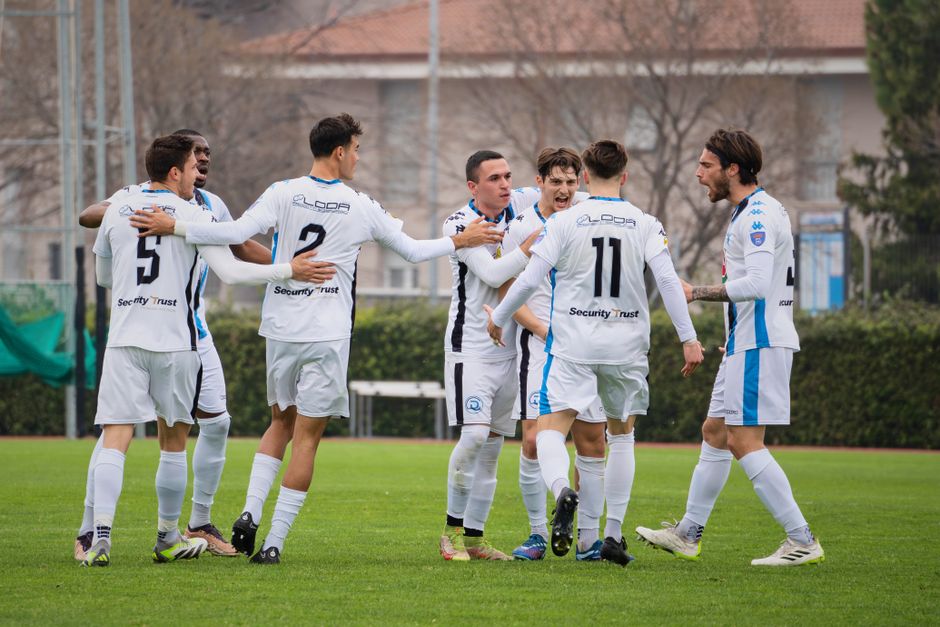
UK basketball, by contrast, is lean. We use Eurobasket to track the imports, we use social media to bully our friends into showing up to the game, and we use local gyms that smell like floor wax and damp winter jackets. It’s not the bright lights of the NBA, but it’s real.
Support local: If you aren't going to the local NBL games, you don't have the right to complain about the state of the sport in this country. Embrace the digital tools: Use the live stats, follow the clubs on socials, and find your community online. Stop the "NBA-or-nothing" mentality: Appreciate the game for what it is here, not for what it isn't elsewhere.
Final Thoughts: The Future is Homegrown
The growth of the sport in the UK won't come from a billionaire buying an NBA team or a "tech-heavy" overhaul of how we watch. It will come from the 15-year-old kid who saw a highlight on TikTok, went down to the local court, and realized he actually likes the people there.
Basketball in the UK is a different beast entirely. It’s grit, it’s community, and it’s the quiet satisfaction of knowing that while the US might have the glamour, we have the heart. Next time you see me at a gym, don’t talk to me about LeBron James. Tell me why your team’s point guard refused to pass the ball in the fourth quarter. That’s the real conversation. That’s the culture.